
Temperature protection has a practical job to do. It needs to protect temperature-sensitive products through storage, handling and transport. At the same time, the materials used to provide that protection have a life before and after the shipment, from manufacture and storage to reuse, recovery and end of life.
That is the starting point for cold chain sustainability. The question is not whether a product can be labelled green. It is whether material use, storage efficiency, reuse and recyclability can be improved while the protection remains appropriate for the shipment.
What is cold chain sustainability?
Cold chain sustainability considers environmental impact alongside the thermal and operational requirements of the shipment. That can include the amount and type of material used, whether the protection is appropriately sized, whether it can be reused, whether it is recyclable, how efficiently it can be stored and transported, and what happens at the end of its useful life.
Sustainability is therefore better understood as a series of decisions than as one product feature. A recyclable material may still be used inefficiently. A reusable item only delivers that benefit when the operating model allows it to be returned and used again. A lightweight solution still needs to provide the thermal performance the shipment requires.
Why sustainability matters in temperature-sensitive logistics
Temperature-sensitive logistics often requires additional protective material because the product must be managed against changes in the surrounding environment. That protection is necessary, but it does not remove the opportunity to ask whether the system can use resources more efficiently.
For pharmaceutical, technology and logistics organisations, the useful questions are practical. How much material is being used? Is the protection correctly sized? Can a cover or liner be reused? Can the material enter an appropriate recycling stream when it reaches end of life? How much warehouse space is required before the covers or liners are even used? These questions are more meaningful than broad terms such as eco-friendly.
What makes temperature protection more sustainable?
Material selection
Material choice matters, but no material should be described as inherently better without evidence and context. Performance, durability, weight, reuse, recyclability, available recovery pathways and the amount of material required all influence the wider picture. For a sustainable cold chain, the right question is whether the material is fit for the shipment and whether its wider lifecycle has been considered. That is a more useful standard than choosing a material because it sounds environmentally preferable.
Material efficiency and right-sizing
Thermal protection designed around the actual shipment can reduce unnecessary material and make storage easier. Oversized protection can use more material than required and occupy extra warehouse or transport space. Custom sizing can help align the physical solution with the load rather than forcing every shipment into the same format. For organisations comparing temperature protection solutions, right-sizing, storage efficiency and end-of-life planning should all be considered alongside thermal performance.
Wilpak’s core thermal-protection products are designed around different shipment configurations. InsulCap® protects palletised loads, while InsulBox® provides a box-level thermal liner. The choice should follow the shipment rather than a preference for one format.
Reusability
Reuse can reduce reliance on single-use materials when the logistics model supports it. Wilpak’s reusable thermal covers can be used again when they remain fit for purpose, rather than discarded after one journey. The practical benefit depends on handling, inspection, return logistics and whether the cover can be recovered after delivery. This is why reusability is an operational question as well as a product feature. If a cover is designed to be reused but there is no process for returning or recovering it, the theoretical benefit may never be realised.
Recyclability and end of life
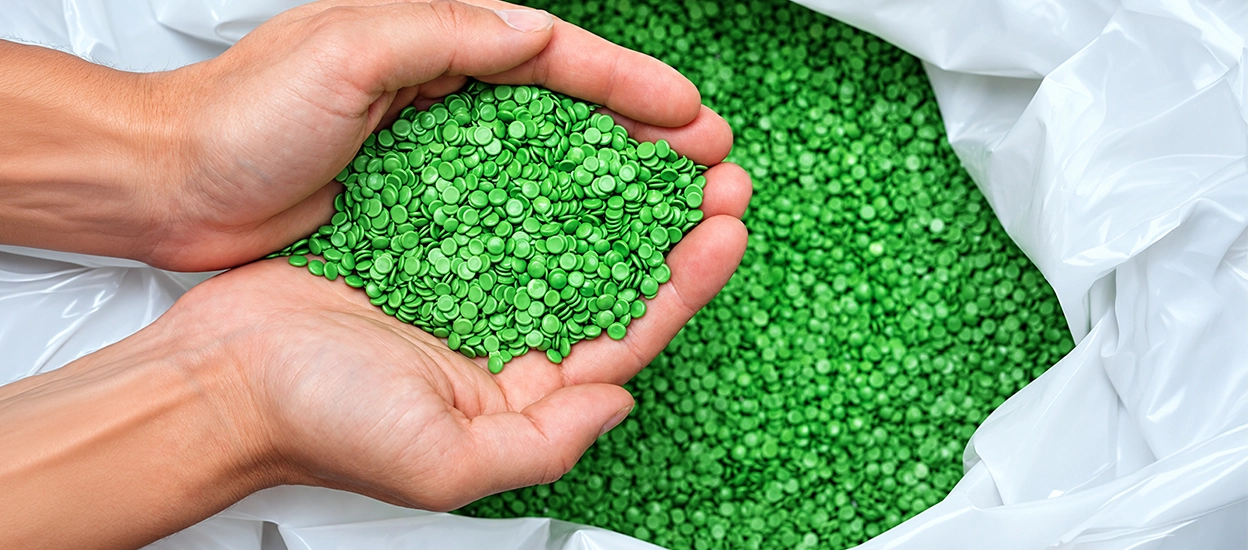
Wilpak’s thermal covers are designed to be reused, and InsulPlatinum, InsulGold and InsulPrime are all made using recyclable materials. That gives businesses the option to consider both reuse and recycling when planning their thermal protection. The practical outcome still depends on the collection and recycling pathways available where the material reaches the end of its useful life.
A global supply chain can make that more complicated. Thermal covers may be dispatched in one country and reach end of life in another. The organisation therefore needs to understand what recovery options are actually available in the destination market rather than relying on a recycling symbol alone.
Thermal performance still comes first
Environmental goals cannot be separated from the reason the protection exists. A temperature-sensitive product still has defined requirements, and any change to the protection system needs to be considered against those requirements.
That means looking at the expected temperature conditions, journey duration, route, climate, handling, potential delays, shipment configuration and the sensitivity of the product. A solution that uses less material but does not provide appropriate protection has not solved the problem. Equally, using more material than the route reasonably requires may create unnecessary waste. The objective is to use an appropriate level of protection with an efficient use of resources. That balance is central to responsible temperature protection solutions.
How can material waste be reduced in temperature-sensitive logistics?
The best place to start is with the shipment itself. If the route, exposure points and product requirements are understood, the organisation is in a better position to choose a fit-for-purpose solution rather than adding extra protective material simply as a precaution.
Right-sizing can reduce excess material, while reusable protection may reduce the number of single-use items required over time. Storage efficiency matters too. Thermal protection occupies space before it is used, and bulky systems can require significantly more warehouse capacity than flat or collapsible alternatives. InsulBox® is designed to fold flat between uses.
Wilpak’s published product information also highlights the storage efficiency of the system compared with bulky EPS formats. That can reduce the space needed to store thermal protection before use. Any broader carbon-reduction claim would require lifecycle data covering the full system.
End-of-life planning should also be part of the conversation from the beginning. If a material is recyclable, the organisation should know who will separate it, where it will be collected and what facilities are available in the destination market.

How should businesses evaluate sustainability in temperature protection?
A useful review starts by looking at the full lifecycle. What material is being used, how much of it is required and is the protection correctly sized? Can it be reused, and is there a practical return process? When it reaches end of life, is the material recyclable and is a suitable collection pathway available? How much space does the system take to store and transport? Most importantly, does it still provide the protection the shipment requires?
These questions move the discussion away from broad environmental claims and towards decisions that procurement, quality and logistics teams can actually examine.
A more sustainable temperature protection strategy is built over time
Routes change, freight providers change and thermal protection technology develops. A configuration selected several years ago may no longer be the best fit for the way a product moves today. Reviewing the system periodically can reveal opportunities to reduce material, improve reuse, make storage more efficient or establish a better end-of-life pathway. The aim is not to chase a perfect label. It is to make the protection system more considered, more efficient and easier to account for across its lifecycle, while keeping the needs of the temperature-sensitive product at the centre of the decision.
Sustainable thermal protection for temperature-sensitive shipments
Wilpak Group International develops passive thermal protection for different shipment configurations, including pallet-level InsulCap® covers and box-level InsulBox® liners. Its thermal covers are reusable, while InsulPlatinum, InsulGold and InsulPrime are made using recyclable materials. For organisations reviewing their current approach, the most useful question is straightforward: what protection does this shipment need, what resources are being used to provide it, and what happens to those resources afterwards? Speak with Wilpak about your current shipment profile and where reuse, recyclability, sizing or storage efficiency may be improved.
Frequently asked questions
What is cold chain sustainability?
It is an approach that considers the environmental impact of temperature protection alongside its functional requirements. Relevant factors can include material use, correct sizing, reuse, recyclability, storage efficiency and end-of-life management.
Can thermal protection materials be recycled?
Some thermal protection materials can be recycled. Wilpak’s InsulPlatinum, InsulGold and InsulPrime options are made using recyclable materials. Whether those materials can be recovered in practice still depends on the collection and recycling infrastructure available where they reach end of life.
How can companies reduce material waste in temperature-sensitive logistics?
Waste can be reduced by matching protection to the shipment, right-sizing thermal protection, using reusable systems where appropriate, improving storage efficiency and establishing realistic recycling or recovery pathways.
Does more sustainable temperature protection mean lower performance?
It should not. Environmental improvements need to be assessed alongside product requirements, route, duration and expected exposure. The aim is to use resources more efficiently without compromising the protection the shipment requires.